
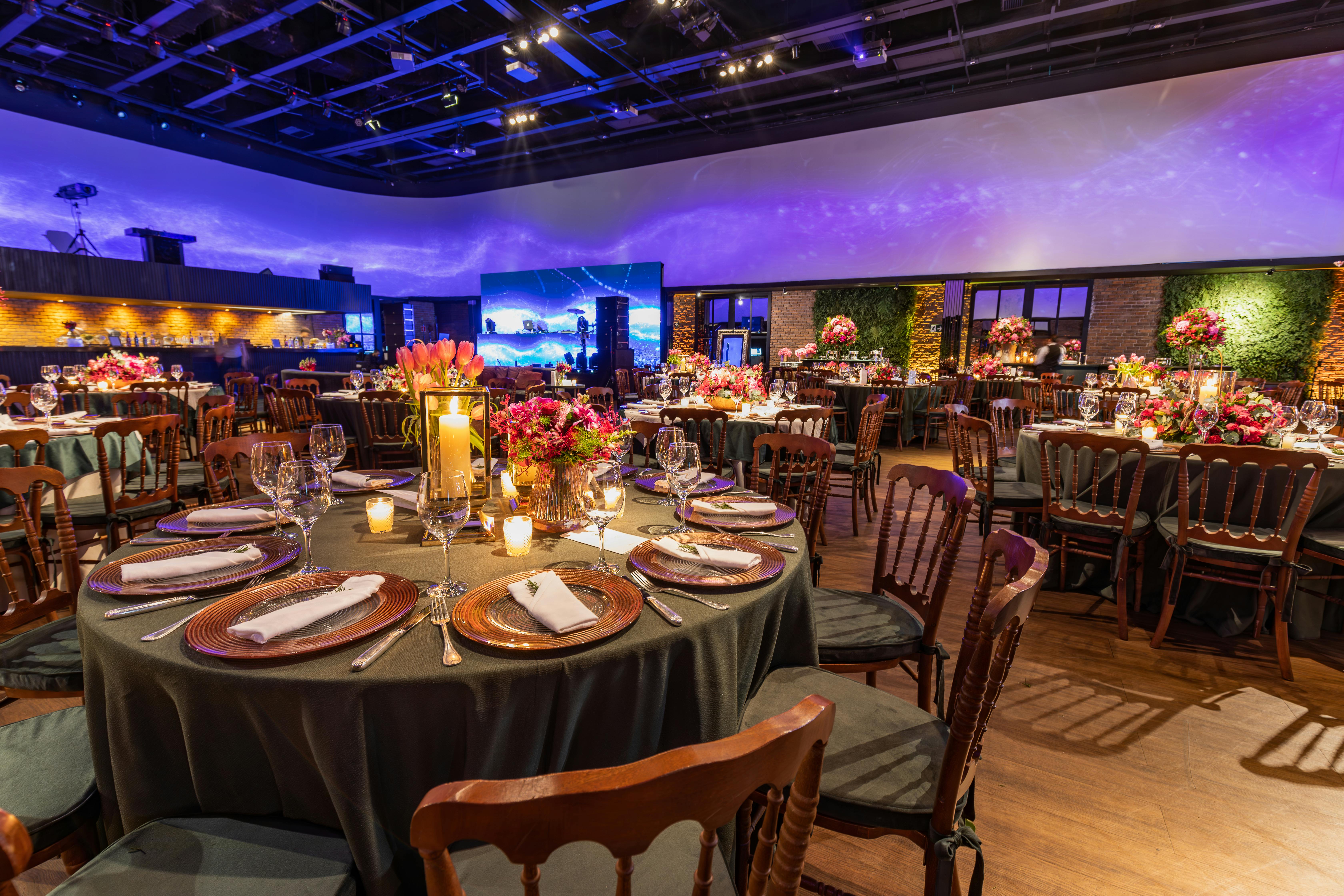
Forget flat screens and distant stages! In 2026, hyper-immersive concerts are revolutionizing live music, blending cutting-edge virtual reality, augmented reality, and sensory tech to create unforgettable experiences. Discover the top platforms and best ways to book your next reality-bending event, from exclusive VR festivals to hybrid mega-concerts that blur the lines between physical and digital, maximizing your live music enjoyment.
Introduction to the Topic
Welcome to 2026, where the concert experience has transcended the physical realm, evolving into something far more profound, personalized, and utterly captivating. The days of simply standing in a crowd, craning your neck to catch a glimpse of your favorite artist, are quickly becoming a relic of the past. We're now living in the era of hyper-immersive concerts – events that don't just present music, but allow you to step inside it, feel it, and interact with it on an unprecedented level. This isn't just about watching a show; it's about being an integral part of a living, breathing, sonic landscape.
Driven by rapid advancements in virtual reality (VR), augmented reality (AR), haptic feedback technology, and sophisticated spatial audio, these experiences are reshaping the very definition of 'live music.' From exclusive, photorealistic metaverse venues to physical events enhanced with real-time AR overlays that transform the stadium around you, the options are limitless. For fans, this means unparalleled access, personalized journeys, and a deeper connection to the artistry. For artists, it opens up new creative dimensions, allowing them to construct entire worlds around their sound. This article will guide you through this thrilling new frontier, highlighting the best platforms and strategies to book your tickets for these groundbreaking 2026 events, ensuring you don't miss out on the future of entertainment.
Backgrounds & Facts
The journey to hyper-immersive concerts began subtly in the late 2010s with early VR experiments and streamed concerts during the pandemic. However, the true revolution ignited around 2023-2024, when consumer-grade VR headsets became lighter, more powerful, and significantly more affordable, coupled with the mainstream adoption of 5G networks enabling seamless, low-latency streaming. By 2026, the technology has matured dramatically. We're no longer talking about rudimentary avatars; volumetric video capture allows artists to perform as photorealistic digital twins, while advanced motion capture systems enable fans to express themselves with incredible fidelity in virtual spaces.
Key technological pillars underpin this immersive revolution:
- Advanced VR/AR Headsets: Lighter, higher resolution, wider field-of-view devices with integrated eye-tracking and passthrough AR capabilities are standard, offering seamless transitions between virtual and augmented realities.
- Haptic Feedback Suits & Gloves: These wearables now provide nuanced tactile sensations, allowing fans to 'feel' the bass vibrations, the strum of a guitar, or even the simulated brush of a virtual crowd.
- Spatial Audio 3.0: Beyond traditional surround sound, spatial audio systems now dynamically adapt to your head movements and position within the virtual or augmented space, creating an incredibly realistic and directional soundstage.
- AI-Driven Personalization: Artificial intelligence algorithms analyze user preferences, past interactions, and even biometric data (with consent) to tailor visual effects, environmental elements, and even subtle narrative arcs within the concert experience.
- Blockchain & NFTs: Digital tickets as non-fungible tokens (NFTs) are commonplace, offering verifiable ownership, preventing scalping, and often granting exclusive perks like backstage access in the metaverse or unique digital collectibles.
Market analysts project the immersive entertainment sector, particularly live music, to exceed $50 billion by 2027, with a significant portion attributed to ticket sales and premium digital experiences. Platforms like 'Aetheria Live' and 'Quantum Stages' have emerged as industry giants, hosting millions of attendees annually. This paradigm shift offers unprecedented scalability, allowing artists to reach global audiences simultaneously, breaking down geographical barriers and making live music more accessible than ever before.
Expert Opinion / Analysis
“The shift we're witnessing isn't merely technological; it's fundamentally human,” explains Dr. Elara Vance, a leading futurist and cultural anthropologist at the Institute for Digital Arts. “For decades, live music was about collective effervescence in a shared physical space. Now, hyper-immersive concerts are offering a new kind of collective experience – one that is simultaneously communal and deeply personal. You can share a virtual mosh pit with friends from across continents, yet your individual sensory input, the visuals you see, the haptics you feel, can be uniquely tailored to your preferences. This fusion creates an unparalleled sense of presence and emotional resonance.”
Dr. Vance emphasizes the psychological impact: “The brain struggles to differentiate between highly realistic virtual experiences and reality. This means the emotional highs, the catharsis, the pure joy of a concert are amplified, unburdened by physical limitations. Artists are no longer confined by stage dimensions; they can perform on a floating island, inside a nebula, or even within a crystalline forest that grows and shifts with the music. This artistic liberation, combined with global accessibility, is creating an explosion of creativity and fan engagement.”
However, challenges remain. “Accessibility is key,” Dr. Vance cautions. “While headset costs are down, ensuring everyone has equitable access to high-speed internet and the necessary hardware is crucial to prevent a new form of digital divide. Moreover, the environmental impact of data centers powering these vast virtual worlds needs careful management. The industry is actively pursuing green energy solutions and optimizing data transmission to mitigate this.” The economic model is also evolving, with new revenue streams from digital merchandise, premium experience upgrades, and even fractional ownership of virtual concert venues through NFTs, creating a robust and dynamic ecosystem for artists, promoters, and fans alike.
💰 Best Options in Comparison (VERY IMPORTANT)
Navigating the burgeoning landscape of hyper-immersive concert platforms can be daunting. To help you book your next reality-bending experience, we've identified the top platforms making waves in 2026, catering to different preferences and budgets.
- NexusVerse Live: The Pure VR Spectacle
NexusVerse Live is the undisputed leader for fully virtual, high-fidelity VR concerts. Renowned for its photorealistic environments, cutting-edge haptic integration, and exclusive artist partnerships, NexusVerse offers a truly premium, pure digital immersion. Think multi-stage virtual festivals with thousands of global attendees, intimate acoustic sets in fantastical digital realms, and interactive art installations that react to the music. Booking is typically through a tiered subscription model (ranging from basic access to 'VIP All-Access' passes with exclusive NFT drops) or pay-per-event tickets for major shows. - SpectraSync Events: The Hybrid Event Pioneer
SpectraSync specializes in hybrid events, seamlessly blending physical concerts with augmented reality enhancements and remote VR access. Imagine attending a stadium show where your AR glasses project dynamic visuals over the stage and crowd, creating a unique overlay that only you (and other AR users) can see. For those unable to attend physically, SpectraSync offers high-fidelity VR streams with multi-camera angles and interactive elements, often including a 'digital twin' experience where you can navigate a virtual replica of the physical venue. Booking options include standard physical tickets, AR-enhanced physical tickets (premium), and dedicated VR-only access passes. - EchoForge: The Creator-Driven Immersive Hub
EchoForge is the platform for independent artists and experimental creators pushing the boundaries of immersive soundscapes. Less about photorealism and more about artistic expression, EchoForge hosts unique, interactive audio-visual journeys, often incorporating generative art, interactive narratives, and audience-controlled elements. It's a goldmine for discovering avant-garde experiences and supporting emerging talent. Booking is primarily direct-to-fan, with many artists offering NFT tickets that double as digital art pieces or grant access to exclusive post-show content.
To help you choose, here's a comprehensive comparison:
| Platform | Experience Type | Key Features | Target Audience | Booking Model | Typical Cost Range |
|---|---|---|---|---|---|
| NexusVerse Live | Pure VR (Fully Digital) | Photorealistic environments, advanced haptics, exclusive artist content, global festivals. | VR enthusiasts, fans seeking ultimate digital immersion & global community. | Subscription tiers, pay-per-event, NFT tickets. | $19.99/month (Basic) - $99.99/year (VIP); Event tickets $25-$150. |
| SpectraSync Events | Hybrid (Physical + AR/VR) | AR overlays for physical shows, VR 'digital twin' access, multi-angle streams, interactive elements. | Fans who attend physical shows but want enhanced experiences; remote attendees. | Standard physical, AR-enhanced physical (premium), VR-only passes. | Physical tickets $50-$300+; AR upgrade +$30-$100; VR-only $35-$120. |
| EchoForge | Creator-Driven VR/AR (Experimental) | Generative art, interactive narratives, audience-controlled elements, unique soundscapes. | Indie music lovers, experimental art enthusiasts, creators, early adopters. | Direct-to-fan sales, NFT tickets, occasional free experiences. | Typically $10-$75 per event; some free. |
Outlook & Trends
The future of hyper-immersive concerts in 2026 and beyond promises even more astounding innovations. We anticipate a surge in personalized concert narratives, where AI not only curates visuals but actively adapts the storyline or environment based on individual audience responses, making each experience truly unique. Imagine an artist performing a song, and the virtual world around you shifts to reflect your specific emotional state, detected through biometric sensors in your headset.
Another major trend is the deeper integration with the broader metaverse. Concerts won't just be standalone events but interconnected experiences within persistent digital worlds. Your avatar, with its accumulated digital fashion and collectibles, will seamlessly transition from a social hub to a concert venue, then to an after-party, all within the same digital identity. This fosters a stronger sense of digital community and extends the social aspect of live music far beyond the event itself.
The role of NFTs and blockchain technology will continue to expand, not just for ticketing, but for fractional ownership of virtual assets, artist royalties, and even fan-governed concert production. This decentralization could empower artists and fans further, creating more equitable and transparent ecosystems. Finally, the drive towards sustainability will push platforms to innovate with energy-efficient rendering and data management, ensuring that the incredible digital futures we create don't come at an undue cost to our physical world.
Conclusion
The year 2026 marks a pivotal moment in the history of live music. Hyper-immersive concerts are no longer a futuristic dream but a vibrant, accessible reality, offering unparalleled sensory experiences that redefine what it means to attend a show. From the global reach of pure VR spectacles on NexusVerse Live to the enhanced realities of SpectraSync Events and the artistic freedom of EchoForge, there's an immersive adventure waiting for every music lover.
These platforms are not just selling tickets; they're selling portals to new dimensions of sound and sight, where the boundaries of performance are limited only by imagination. The convergence of advanced technology, artistic vision, and growing consumer demand has unleashed a new era of entertainment. So, don't just listen to the future of music – step into it. Explore the options, compare the experiences, and book your passage to a reality-bending concert today. The stage has expanded; it's time to join the show.