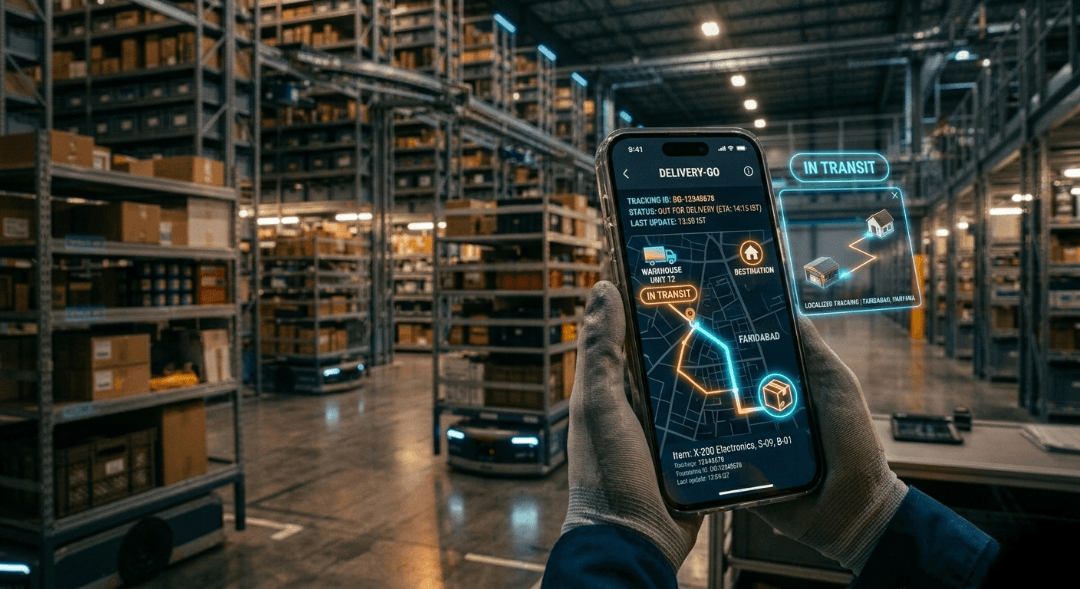
So… I Thought Warehousing Was Simple (LOL, Nope)
I used to think warehousing was easy math.
You know…
You rent space → you store stuff → done.
That’s it. End of story. Roll credits.
But then I had a conversation—one of those “wait… what do you mean??” conversations—with a friend who runs a small e-commerce business. And somewhere between his third coffee and my second “hold on, explain that again,” I realized the hidden costs of warehousing are… kind of everywhere.
Like tiny financial ninjas.
Silent. Sneaky. Slightly rude.
And once you see them, you can’t unsee them.
The Moment It Clicked (aka Mild Financial Panic)
He said something like:
“Storage is the cheapest part. Everything else is where it gets you.”
And I laughed.
Because that sounded dramatic.
Then he showed me numbers.
I stopped laughing.
1. Paying for Space You Don’t Actually Use (Yep… That Happens)
This one feels obvious… until it isn’t.
Warehouses charge for space.
But not just the space you use—the space you reserve.
So if your inventory is:
- Poorly organized
- Spread out
- Sitting awkwardly like a bad seating arrangement at a wedding
You’re basically paying rent for air.
Air.
I once tried to organize my closet and ended up with the same problem—half the space wasted because I just shoved things randomly. Except… my closet doesn’t charge me monthly.
Warehouses do.
2. Labor Costs That Slowly Creep Up (Like… Really Slowly)
No one talks about this enough.
Labor isn’t just wages.
It’s:
- Time spent searching for items
- Inefficient picking routes
- Mistakes that need fixing
And those little inefficiencies?
They add up.
Fast.
My friend told me they once had a system where workers walked extra steps—just a few seconds more per order.
Didn’t seem like a big deal.
Until they calculated it.
Thousands of extra hours.
Gone.
Just… walking.
I mean, I like a good walk. But not that much.
3. Inventory That Just… Sits There (Judging You)
Dead stock.
Slow-moving items.
Stuff you thought would sell but didn’t.
We’ve all been there. (I still have a random blender I bought in 2021. Used it once. Once.)
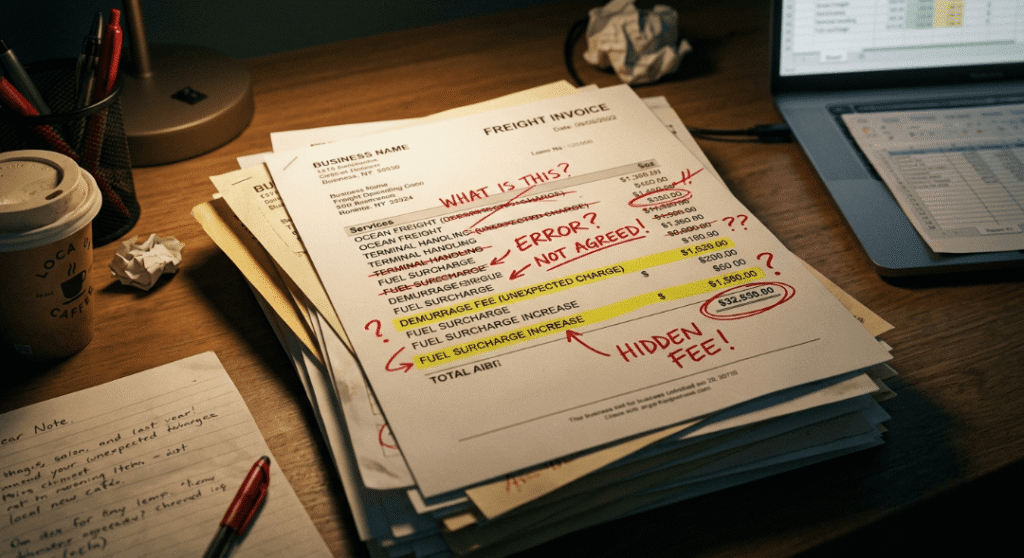
But in warehousing?
That stuff costs money every single day it sits there.
Storage fees. Handling costs. Opportunity cost.
It’s like paying rent for something you don’t even want anymore.
Which feels… unnecessary. Painful. Slightly embarrassing.
4. Damage and Shrinkage (The “Wait, Where Did That Go?” Problem)
This one is sneaky.
Stuff gets:
- Damaged
- Lost
- Misplaced
- Occasionally… mysteriously disappears
And no one notices immediately.
Until it’s too late.
It’s like losing a sock in the laundry—but instead of mild annoyance, it’s actual money disappearing.
And you can’t even blame the washing machine this time.
5. Tech That You Thought Would Save Money (But… Didn’t Yet)
Okay, this one’s tricky.
Technology is supposed to help, right?
Automation. Software. Systems.
But here’s the catch:
If you implement it poorly… or too early… or without training people properly?
It can actually cost more.
Upfront investments. Maintenance. Learning curves.
My friend literally said:
“We bought software we didn’t fully understand. It was… a phase.”
We’ve all had phases.
Some are just more expensive than others.
6. Returns (Ohhh Returns… The Chaos)
Returns are like that one friend who shows up unannounced and stays too long.
They mess everything up.
Because handling returns means:
- Extra labor
- Re-inspection
- Re-packaging
- Sometimes… just writing it off completely
And warehouses have to deal with all of that.
Every. Single. Time.
I once returned a pair of shoes three times (don’t ask)… and now I feel personally responsible for someone’s workload.
7. Poor Layout (AKA The Warehouse Maze Problem)
Imagine walking into a place where nothing makes sense.
That’s a poorly designed warehouse.
Items are:
- Hard to find
- Stored inefficiently
- Placed without logic
Which means more time. More effort. More cost.
It’s like grocery shopping in a store where milk is next to batteries and bread is in the freezer section.
You’d lose your mind.
Same thing happens in warehouses.
8. Energy Bills (Yep… Even Lighting Adds Up)
This one surprised me.
Warehouses are huge.
Which means:
- Lighting costs
- Heating/cooling
- Equipment energy use
And if systems aren’t optimized?
Those costs just keep climbing.
Quietly.
Like a subscription you forgot to cancel.
(Still paying for one. Don’t ask.)
9. Compliance & Safety Costs (Important… But Pricey)
Safety measures.
Regulations.
Training.
All necessary. No argument there.
But they’re not free.
And if you ignore them?
The cost gets way worse.
Fines. Accidents. Delays.
So yeah… this is one of those “pay now or regret later” situations.
10. Bad Forecasting (The Root of So Many Problems)
This is the big one.
If you don’t know what’s coming in or going out?
Everything falls apart.
Too much inventory → wasted space
Too little → missed sales
It’s like trying to cook without knowing how many people are coming to dinner.
You either:
- Run out of food
- Or end up eating leftovers for a week
Neither feels great.
So… How Do You Avoid All This? (Or At Least Survive It)
Okay, here’s the part where I try to be helpful and not just dramatic.
A few things that actually make a difference:
Keep your inventory tight
Don’t overstock. Don’t understock.
(Yes, I know. Easier said than done.)
Use tech—but don’t rush it
Understand it first. Then implement it.
Optimize your layout
Make things easy to find. Your future self will thank you.
Track everything
Data isn’t boring—it’s literally money in disguise.
Audit regularly
Check what’s working. Fix what’s not.
And maybe… just maybe… don’t buy 500 units of something just because it might trend.
Side Note (Because I Can’t Help Myself)
At one point I asked:
“So what’s the worst hidden cost?”
My friend didn’t even hesitate.
“Not knowing your numbers.”
That one hit.
If You Wanna Go Down the Rabbit Hole
If you’re weirdly interested in this stuff now (welcome to the club), you might enjoy:
- Random warehouse stories on Reddit (some are chaotic in the best way)
- Behind-the-scenes logistics videos on YouTube—honestly, weirdly relaxing
Also… there’s something oddly satisfying about watching things get organized properly.
Just me?