So… I Walked Into a Warehouse and Felt Like I Was in the Future
Not kidding.
I was visiting a friend—he works in logistics—and he casually goes, “You wanna see warehousing in 2026 up close?” Like he was inviting me to grab coffee or something.
I said yes. Obviously.
And man… I thought I knew what a warehouse looked like. Big space, dusty boxes, forklifts beeping like they’re trying to communicate with aliens. That vibe.
Nope.
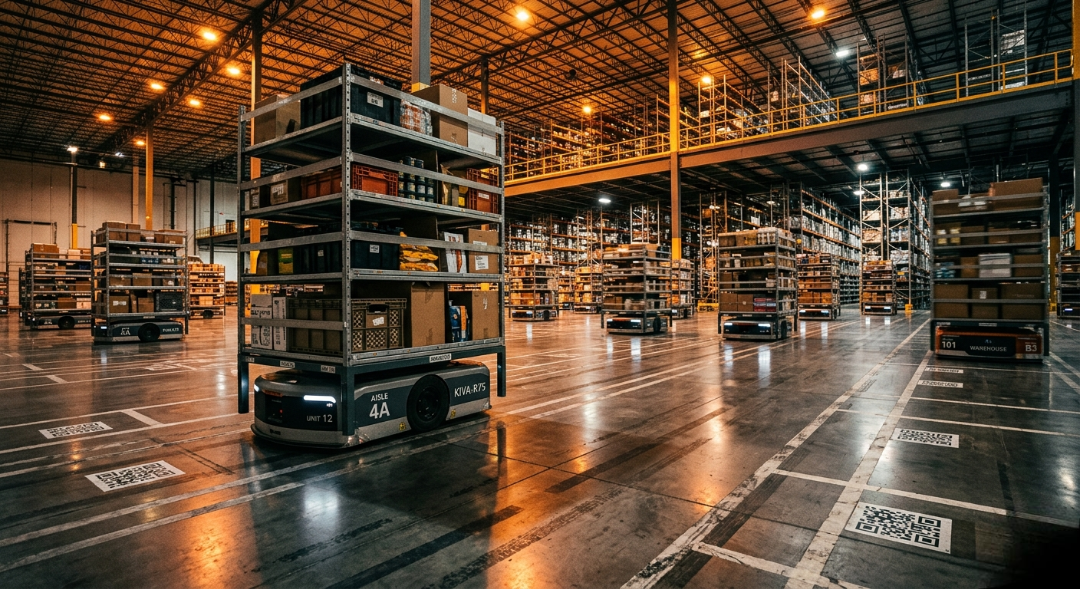
This place? It felt like someone mashed up a storage facility with a sci-fi movie set and then added just enough chaos to keep it real.
Tiny robots zooming around like caffeinated Roombas. Shelves moving on their own. A guy standing in one corner staring at a screen, sipping coffee like this was all totally normal.
Meanwhile, I’m just standing there thinking:
“Did I… accidentally time travel?”
The Old Warehouse vs The “Wait, What Is Happening” Warehouse
Let me paint this properly.
Old-school warehouse:
- People running around (or walking fast… pretending it’s running)
- Clipboards. So many clipboards.
- Forklifts playing bumper cars but legally
- Someone yelling, “Where’s that shipment??” every 20 minutes
Now?
Smart warehouse:
- Robots bringing shelves to people
- AI predicting what you’ll need before you even know you need it (creepy? maybe a little)
- Sensors tracking everything—temperature, movement, inventory
- Humans mostly supervising… like chill managers of a robot army
And I swear, at one point I saw a shelf glide past me like it had somewhere important to be.
No apology. No eye contact. Just zoom.
Rude.
The Robots Are Not Taking Over… But Also, They Kinda Are
Okay, let’s address the elephant—or robot—in the room.
Yes, automation is everywhere in warehousing in 2026.
But it’s not like humans got kicked out and replaced with metal overlords.
It’s more like… humans got promoted?
My friend explained it in the most casual way:
“Yeah, robots handle the boring stuff. We handle the thinking stuff.”
And honestly, that checks out.
Robots:
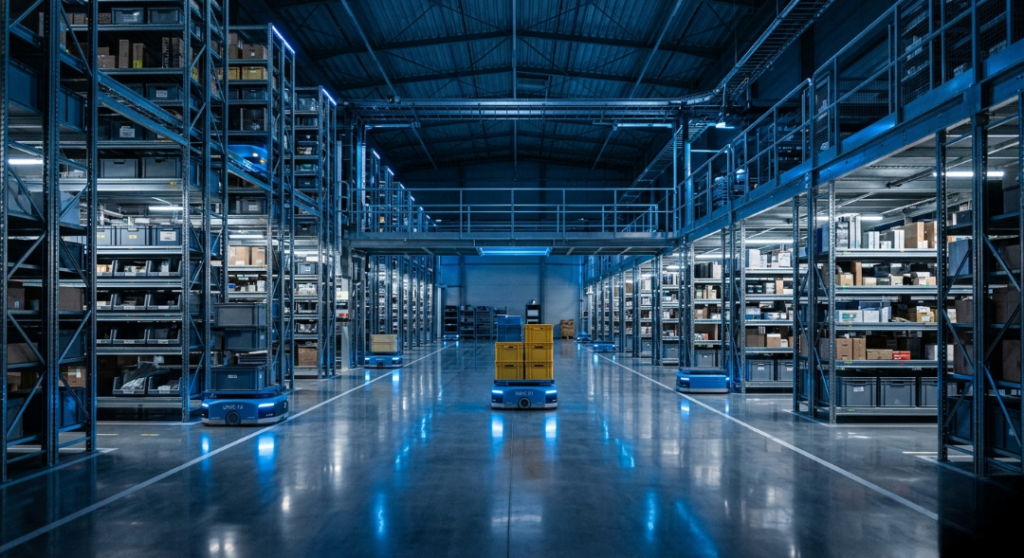
- Move inventory
- Sort packages
- Work 24/7 without complaining about back pain
Humans:
- Manage systems
- Fix problems
- Make decisions when things go sideways (which they always do)
Because no matter how smart tech gets, something will break. Something always breaks.
(Like my phone charger. Every. Single. Month.)
The Weirdly Cool Part: Predictive Warehousing
This is the part that messed with my brain a little.
Warehouses now don’t just store things.
They anticipate things.
Like… they know what people will order before those people even hit “Buy Now.”
I asked, “How??”
Apparently, it’s all data. Shopping patterns, seasonal trends, past behavior—basically your online habits are out there living their best life in a warehouse algorithm.
So instead of reacting to orders, warehouses are positioning products in advance.
Which means:
- Faster deliveries
- Less chaos
- And slightly unsettling accuracy
You ever think about buying something, and then suddenly you see ads for it everywhere?
Yeah. Same energy.
Space Is Expensive… So Warehouses Got Creative
Here’s something I didn’t expect to care about—but now I weirdly do.
Space.
Turns out, storing stuff is getting ridiculously expensive, especially in cities. So the future of logistics had to get… creative.
And by creative, I mean:
- Vertical storage systems that go up like 10–15 stories
- Super narrow aisles (like, “don’t breathe too hard” narrow)
- Robots that can climb, lift, and rotate like gymnasts
I stood there looking up at these towering shelves thinking:
“If I drop my phone here, it’s gone forever.”
Just… gone into the warehouse void.
Humans Still Matter (Relax)
There’s this narrative floating around—“robots are taking all the jobs.”
But what I saw didn’t feel like that.
It felt more like a shift.
People aren’t lifting boxes all day anymore. They’re:
- Monitoring systems
- Learning tech
- Solving problems
Which, let’s be honest, is way better than throwing out your back trying to move a 30kg box labeled “FRAGILE” (which, by the way, is never actually fragile… or always is… no in-between).
My friend actually told me they’re hiring more skilled workers now, not fewer.
Just… different skills.
So yeah, if anything, warehousing in 2026 is less about muscle and more about brains.
(And maybe patience. Lots of patience.)
The Sustainability Twist (Didn’t Expect This Either)
This part kinda surprised me—in a good way.
Warehouses are getting… greener?
Like:
- Energy-efficient lighting that adjusts automatically
- Solar-powered facilities
- Smarter inventory = less waste
And here’s the interesting bit—because systems are more efficient, there’s less overstock, fewer returns, and less stuff just sitting around collecting dust and regret.
It’s not perfect. Nothing is.
But it’s a step.
And honestly, I didn’t expect a warehouse to make me think about sustainability, but here we are.
Side Note (Because My Brain Wanders)
At one point, I asked my friend:
“So… what happens if the system goes down?”
He just laughed.
Not reassuring.
Apparently, there are backups for everything. Backup systems, backup power, backup… backups?
Still. I don’t trust anything that relies entirely on Wi-Fi.
My internet drops during a Zoom call and suddenly I’m frozen mid-sentence looking like I’ve seen a ghost.
Imagine that—but for an entire warehouse.
Yikes.
The Real Talk: Is This Actually Better?
Short answer? Yeah… mostly.
Long answer?
It’s complicated.
Because while smart warehousing technology is making things faster and more efficient, it’s also:
- Increasing reliance on tech
- Changing job roles rapidly
- Raising expectations (hello, same-day delivery pressure)
We’ve basically trained ourselves to expect everything now.
And warehouses are just trying to keep up.
Where This Is All Going (Wild Guess Time)
If I had to guess—based on absolutely zero authority but a decent amount of observation—I’d say:
Warehousing in 2026 is just the beginning.
Next up?
- Fully autonomous facilities (like… lights-off warehouses)
- Even faster delivery systems
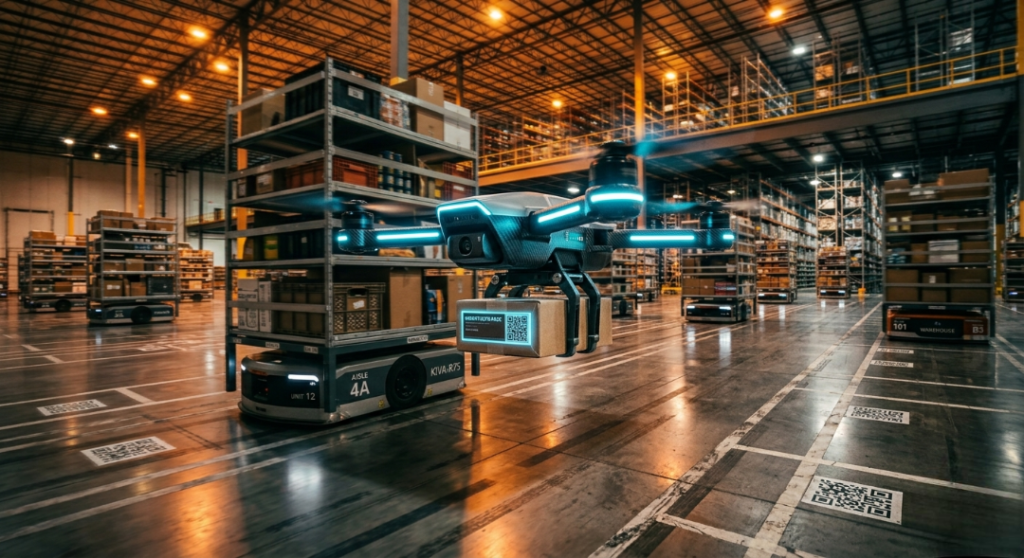
- Maybe drones? (okay, definitely drones)
And probably some stuff we can’t even imagine yet.
Because if you had told me five years ago that shelves would move on their own, I would’ve said, “That sounds fake.”
And yet.
Final Thought (Kinda Messy, But Stick With Me)
Walking out of that warehouse, I had this weird mix of feelings.
Excited. Impressed. Slightly confused. A tiny bit concerned.
You know that feeling when technology is clearly amazing… but also moving faster than your brain can process?
Yeah. That.
But also—I couldn’t stop smiling.
Because there’s something oddly fascinating about watching the future happen in real time.
Even if it’s happening in a place full of boxes.
If You’re Curious (or Just Nerdy Like Me)
You might enjoy going down a rabbit hole on warehouse automation stories. I once lost an hour reading random posts on:
- Reddit’s r/logistics (surprisingly entertaining)
- Personal blogs from warehouse workers (some of them are hilarious)
Also, if you’ve ever watched those oddly satisfying robot videos on YouTube… yeah, same vibe.