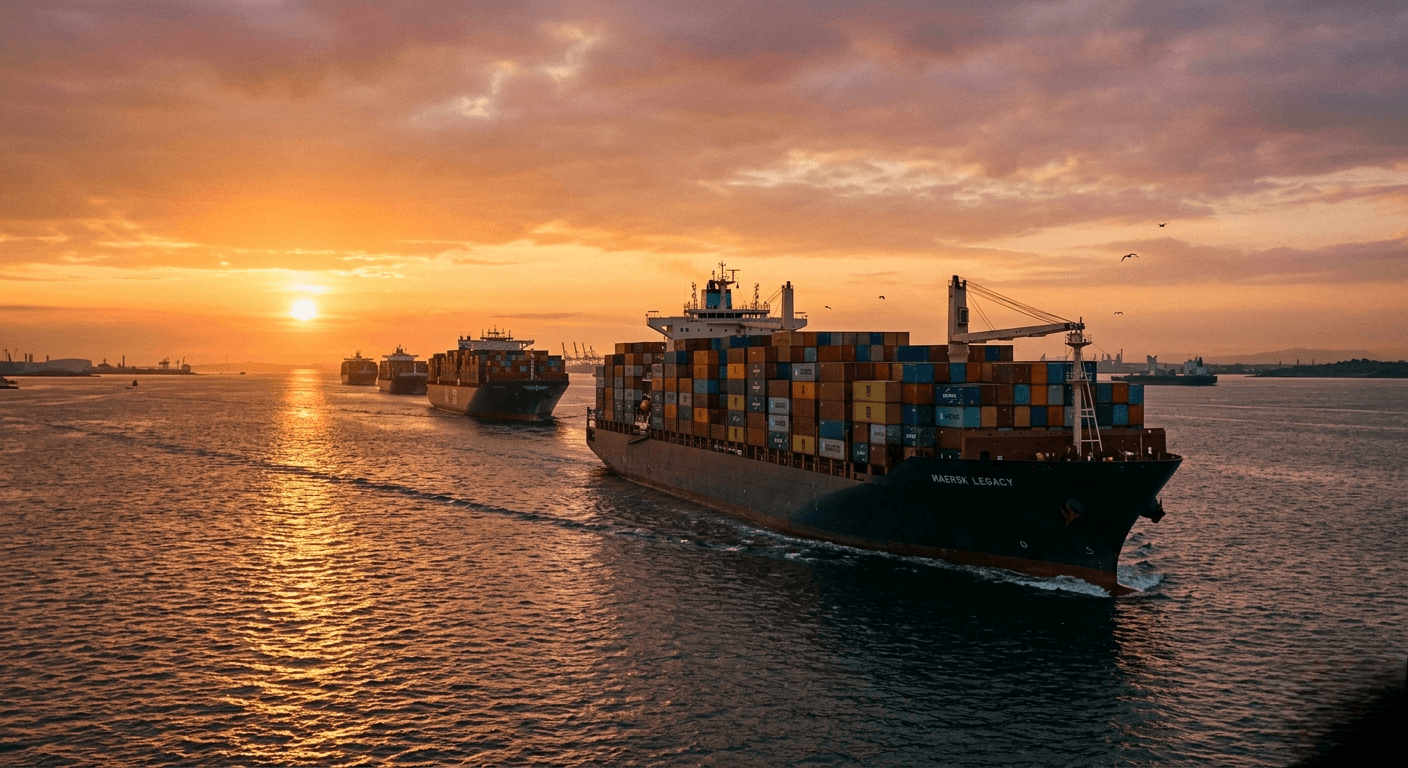
So… freight shipping explained (without putting you to sleep)
Okay, so here’s the thing.
The first time I heard someone say “freight shipping explained”, I imagined something super boring. Like spreadsheets. And men named Gary arguing over fuel costs.
But then—this is embarrassing—I ordered a chair online. Just a chair. Nothing fancy. And somehow that chair came from Vietnam, passed through like… three countries, sat in a port for a week (why?), got scanned 17 times, and then showed up at my door like it had just casually teleported.
And I was like…
“Wait. What just happened?”
Because freight shipping isn’t just trucks and boats. It’s this weird, chaotic, beautifully organized system that somehow doesn’t collapse daily. (Even though it absolutely feels like it should.)
So yeah. Let me try to explain it the way I wish someone had explained it to me.
Not like a textbook. More like… a story you’d hear while stuck in traffic.
The moment your stuff leaves the warehouse (aka the beginning of chaos)
Alright, picture this.
You order something. Maybe a chair. Maybe protein powder you swear you’ll use. Same difference.
That item? It starts in a warehouse. Usually in some industrial area that smells faintly like cardboard and regret.
Step 1: Packing & labeling (sounds simple… it’s not)
Workers scan it. Pack it. Label it with a barcode that basically becomes its identity for the rest of the journey.
Like… if that label gets messed up?
Game over. Your chair might end up in Poland.
No joke.
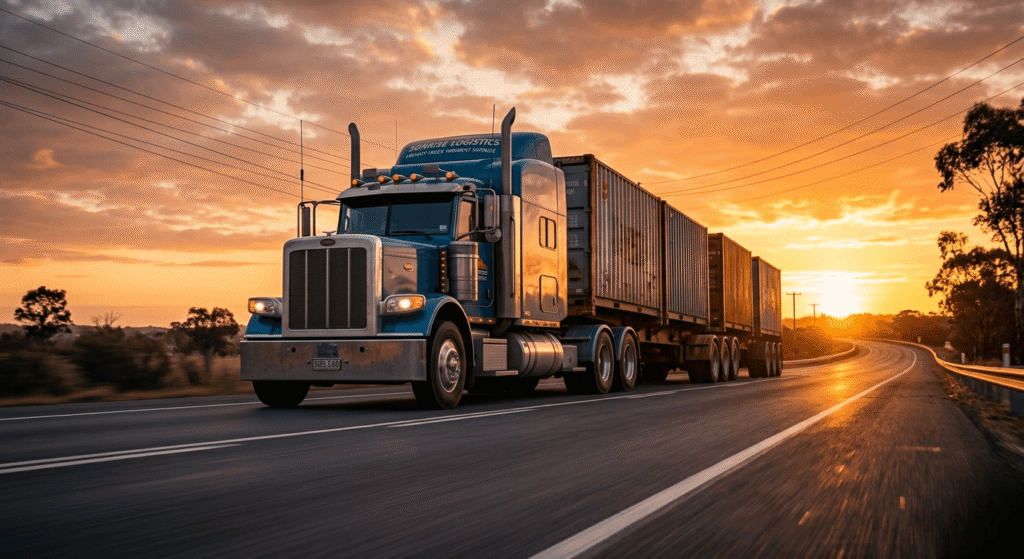
Trucks. So many trucks. Like… endless trucks.
So yeah, after packing, your item usually hops onto a truck.
And here’s where I had a mini realization:
Trucks are the backbone of everything.
Like, we talk about ships and planes, but trucks? They’re the unsung heroes. The middle child of logistics.
They move stuff:
- From warehouse → port
- Port → rail yard
- Rail yard → distribution center
- Distribution center → your house
Basically… trucks are always involved. Always. Like that one friend who shows up to everything uninvited but you kinda need them.
Containers: the giant LEGO blocks of global trade
Now, this part is kinda cool.
Everything gets put into shipping containers. Those big metal boxes you’ve definitely seen stacked like Tetris pieces.
And fun fact?
Most containers are standardized. Same size. Same structure.
Why? Because it makes the whole system work.
Imagine if every company used different-sized boxes.
Absolute chaos. Society collapses. Dogs and cats living together.
Ships: the slow giants that carry literally everything
Okay, so once containers reach the port…
They wait.
And wait.
And… wait some more.
Ports in 2026 are faster than before (thanks to automation and AI stuff), but still—delays happen. Weather. Strikes. Someone probably spilled coffee on the wrong keyboard.
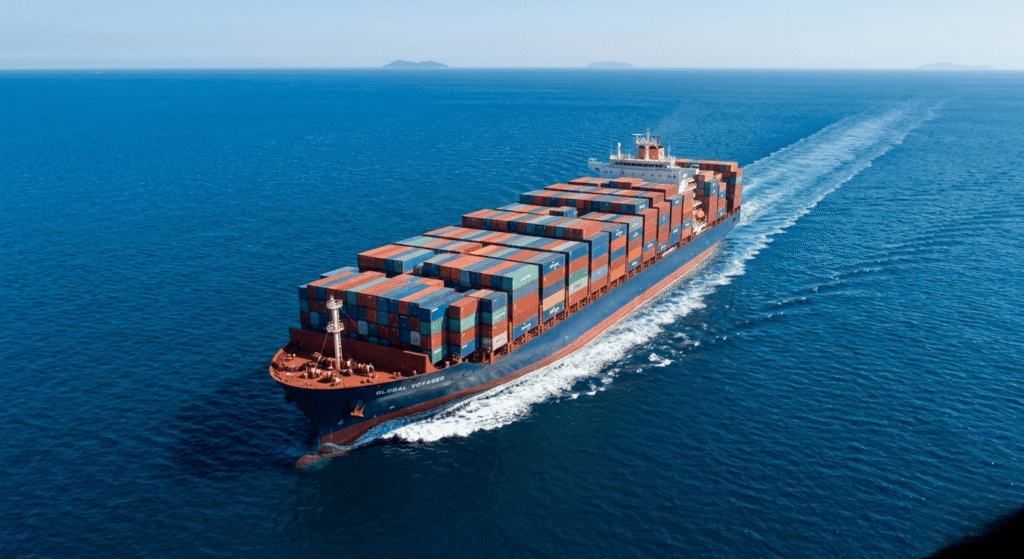
Eventually, containers get loaded onto cargo ships.
These ships are HUGE. Like, floating cities. Thousands of containers stacked on top of each other.
And here’s the weird part:
They’re slow.
Like… surprisingly slow.
Because fuel efficiency matters more than speed. So your package just casually cruises across the ocean while you’re refreshing the tracking page like a maniac.
Customs: where things get… awkward
So when the ship reaches another country?
Customs happens.
And this is where things can go sideways.
Customs officers check:
- What’s inside
- Where it came from
- Whether it’s allowed
And sometimes they just… hold stuff.
No clear reason. No timeline.
I once tracked a package that sat in customs for 9 days. Nine. Days.
I checked the status so often I think the website started judging me.
Warehouses again. Yes, again.
After clearing customs, your item goes to another warehouse.
Because of course it does.
This is where sorting happens. Items get separated based on destination. Think of it like a giant, hyper-organized chaos machine.
Conveyor belts. Scanners. Workers moving at superhuman speed.
Honestly, it’s kinda impressive.
Last-mile delivery (aka the final boss level)
This is the part you actually see.
The delivery van. The knock on your door. The “package delivered” notification that shows up 3 minutes before you even hear the truck.
And this step?
It’s the most expensive part of the entire process.
Which feels backwards, right?
But think about it:
- Individual addresses
- Traffic
- Fuel
- Time
It adds up.
And somehow… it all works?
This is the part that blows my mind.
Because when you zoom out, freight shipping is:
- Millions of packages
- Thousands of ships
- Endless trucks
- Dozens of countries
- Constant delays
And yet…
Your random online order still shows up.
Not always on time. Not always perfectly. But it gets there.
Most of the time.
Which is kinda miraculous, if you think about it.
What’s different in 2026 (and why it matters)
Okay, quick reality check.
Freight shipping in 2026 isn’t the same as it was even a few years ago.
Things have changed. A lot.
1. Automation is everywhere
Ports are using robots now. Like actual robots moving containers around.
Less human error. Faster processing.
Also slightly terrifying.
2. Tracking is creepily accurate
You can now see:
- Where your package is
- What stage it’s in
- Sometimes even delays before they happen
It’s helpful… but also addictive.
You ever refresh tracking 12 times in one hour?
Yeah. Me neither. (Lies.)
3. Sustainability is a big deal now
Shipping companies are trying to reduce emissions.
- Cleaner fuels
- Electric trucks (in some places)
- More efficient routes
Because yeah… shipping is a huge contributor to pollution.
So at least there’s some effort happening.
A quick side rant (because I can’t help it)
Why does tracking sometimes say:
“Out for delivery”
…and then nothing happens?
Like… where did you go??
Did the driver take a detour into another dimension?
I have questions.
If you really wanna go deeper (and I mean… really)
If you’re the curious type, I’d recommend checking out:
- https://www.marineinsight.com/ (surprisingly interesting stuff about ships)
- Or even random YouTube documentaries about container ports (dangerously addictive, btw)
Fair warning: you might fall into a logistics rabbit hole.