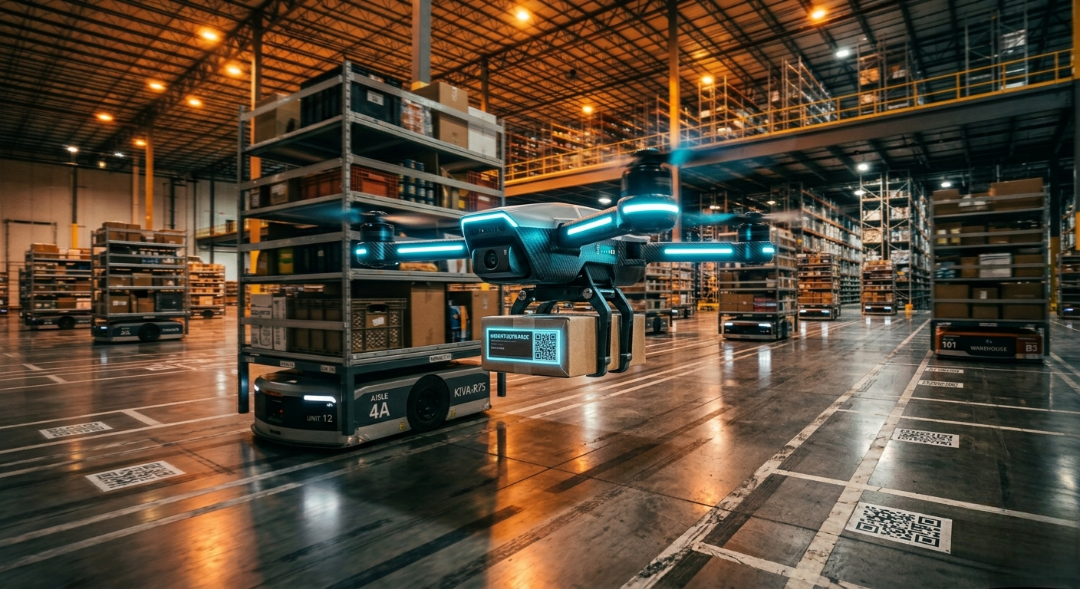
I didn’t realize how much 7 supply chain disruptions that changed the world actually mattered… until my pizza never showed up
Okay, listen.
It was a Friday night. I had zero energy, zero groceries, and maximum expectations from a large pepperoni pizza.
I ordered. Paid. Waited.
And then—
“Sorry, delayed. Ingredient shortage.”
Ingredient shortage?? For pizza??
I sat there like,
“Did the cheese union go on strike or something?”
And that’s when I started falling into this weird rabbit hole of how supply chain disruptions—big, messy, sometimes ridiculous ones—have literally changed the world.
Not just pizza night.
Like… everything.
Disruptions are like that one friend who cancels last minute
You know the type.
Everything’s planned. You’re dressed. You’re ready.
And then—
“Hey, something came up.”
That’s basically what supply chain disruptions do.
Except instead of canceling dinner plans, they mess with:
- Entire industries
- Global economies
- Your ability to buy toilet paper (yeah, we’re going there)
So here are 7 supply chain disruptions that changed the world—and honestly, some of them sound made up, but nope… very real.
1. The COVID-19 pandemic (aka… everything broke at once)
Let’s just start with the obvious chaos monster.
I remember walking into a grocery store in 2020 and seeing empty shelves where basic stuff should be.
No pasta. No flour.
It felt like a weird apocalyptic movie, except instead of zombies, people were panic-buying hand sanitizer.
Supply chains didn’t just slow down—they kinda… froze.
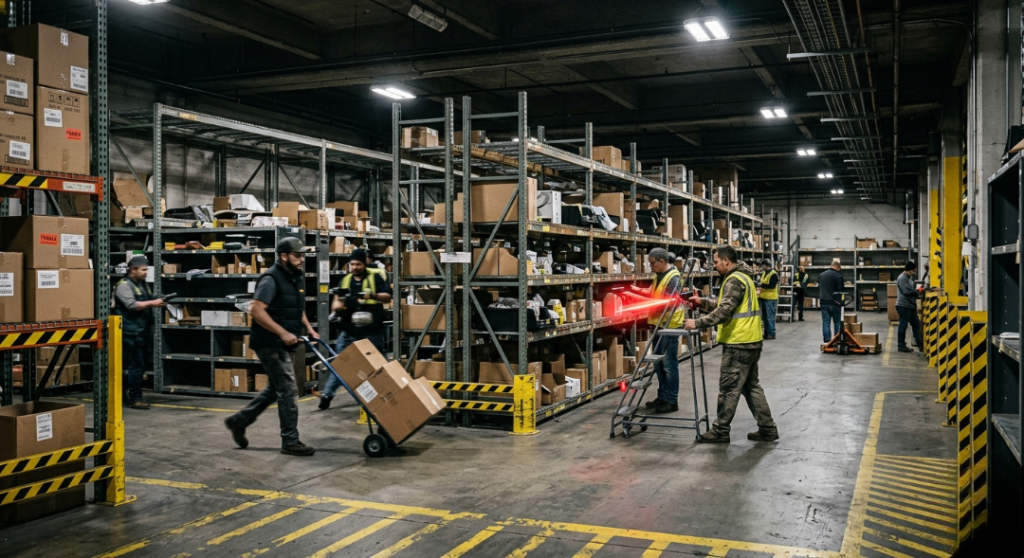
Factories shut down. Workers stayed home. Shipping got delayed.
And suddenly the whole world realized:
“Oh. So this system is fragile fragile.”
2. The Suez Canal blockage (the ship that said “nah”)
This one still cracks me up.
A massive ship—like massive massive—got stuck sideways in the Suez Canal.
Sideways.
Blocking one of the most important trade routes in the world.
I remember seeing memes like:
“Just rotate it??”
If only it were that easy.
That one ship delayed billions of dollars worth of goods.
And somewhere out there, someone was probably waiting for a shipment thinking,
“Why is my order late?”
Meanwhile: a giant ship doing yoga in a canal.
3. The 2008 financial crisis (when money messed with movement)
This one wasn’t about ships or factories—it was about money.
Or the lack of it.
During the 2008 crisis, businesses cut back. Demand dropped. Credit got tight.
And supply chains? They shrank. Slowed. Got weird.
Companies stopped stocking as much. Production dipped.
And it created this ripple effect where even when things started recovering, supply chains were like,
“Uh… give me a minute.”
4. The Japan earthquake and tsunami 2011 (when nature hit pause)
This one’s heavy.
A massive earthquake and tsunami hit Japan, and beyond the human tragedy, it disrupted manufacturing in a big way.
Japan produces a lot of specialized components—especially for electronics and cars.
So when factories stopped, the ripple effect was global.
Car production slowed worldwide.
Electronics got delayed.
And suddenly people realized how dependent everything is on specific regions.
5. The Oil crisis 1973 (when fuel said “good luck”)
Okay, imagine trying to run a global shipping network… without affordable fuel.
Yeah.
In 1973, oil prices skyrocketed, and suddenly transporting goods became way more expensive.
Which meant:
- Higher prices
- Slower shipping
- Economic stress everywhere
It’s like trying to drive cross-country and realizing gas costs more than your car.
Not ideal.
6. The US-China trade war (when politics entered the chat)
Ah yes, tariffs.
Nothing like a little international tension to spice things up.
The trade war between the U.S. and China led to increased costs, shifting suppliers, and a whole lot of confusion.
Businesses had to rethink where they sourced products.
Some moved manufacturing.
Others just… stressed out a lot.
And consumers? Yeah, we felt it in prices and availability.
7. The Global Chip Shortage (aka why everything tech got weird)
This one hit closer to home for me.
I remember trying to buy a new gaming console and being told:
“Out of stock.”
Months later… still out of stock.
Turns out, tiny semiconductor chips—basically the brains inside electronics—were in short supply.
Cars, phones, consoles… everything needed them.
And when production couldn’t keep up?
Boom. Shortages everywhere.
It’s kinda wild how something so small can cause such a big mess.
The pattern here (because yeah, there’s a pattern)
After looking at these 7 supply chain disruptions that changed the world, I noticed something.
They’re all different… but also kinda the same.
Each one shows how:
- One weak link can break everything
- Global systems are deeply connected
- And humans are very good at underestimating risk
It’s like Jenga.
Everything’s stable… until it’s not.
My weird takeaway from all this
I’ll be honest—I used to not care about supply chains at all.
Like zero interest.
But now? I notice it everywhere.
When something’s delayed, I don’t just get annoyed (okay, I still get annoyed)… but I also wonder:
“Where did this go wrong?”
Was it:
- A port delay?
- A factory issue?
- A giant ship doing yoga again?
It makes the world feel both bigger and… strangely more connected.